
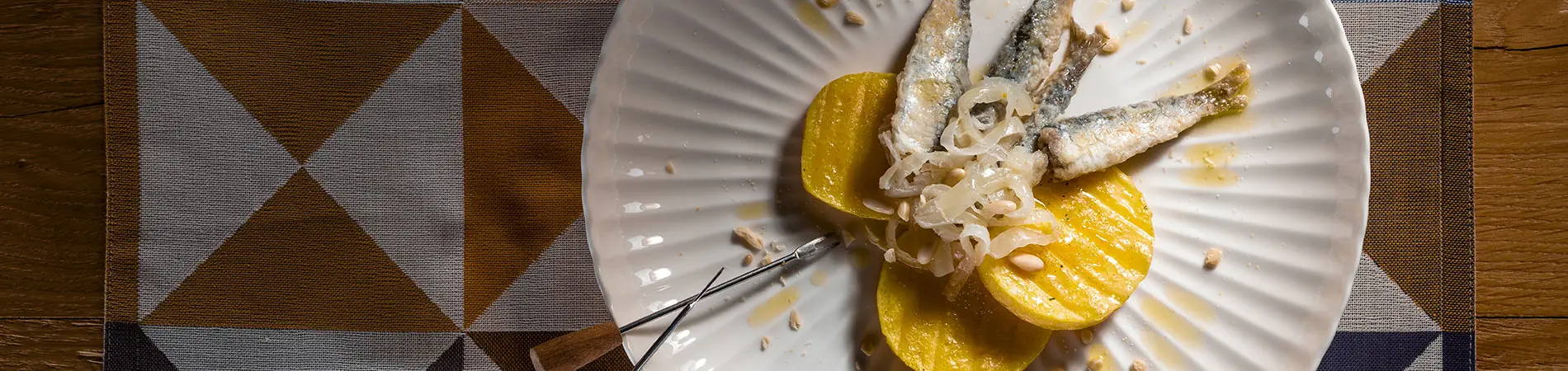
Polenta in the Mediterranean Diet: More Than Just Tradition?
The Mediterranean Diet is often associated with pasta and olive oil. In reality, cereal biodiversity lies at its core. Polenta, a cornerstone of Veneto’s culinary heritage, fits naturally into this model. As a source of complex carbohydrates – particularly in wholegrain or stone-ground varieties – polenta provides steady energy without sharp insulin spikes. For a perfectly balanced Mediterranean-style meal, pair it with:
- Lean proteins: such as oily fish or legumes
- Healthy fats: a drizzle of extra virgin olive oil added raw
- Fibre-rich vegetables: a generous serving of sautéed chicory or Treviso radicchio
Expert Insight
“A common misconception is to think of the Mediterranean Diet as a ‘pasta-based diet’. In fact, the food pyramid encourages variety in carbohydrate sources. Polenta is an excellent source of starch. Recommend the ‘balanced plate rule’: half the plate vegetables (fibre), one quarter protein (fish or legumes) and one quarter polenta. This combination further slows the absorption of maize sugars, ensuring sustained energy throughout the afternoon without the typical post-meal dip in concentration.”
Note: General nutritional guidance does not replace medical advice. For personalised dietary plans, especially in the presence of medical conditions, consult your healthcare professional.


